

What is the breathability of a women's knit sweater?
Hey there! As a supplier of Knit Sweater Women, I've been getting a lot of questions about the breathability of women's knit sweaters. So, I thought I'd dive deep into this topic and share all the ins and outs with you.
First things first, what exactly is breathability when it comes to a women's knit sweater? Well, breathability refers to how well a fabric allows air to circulate through it and moisture to escape. In simpler terms, it's all about keeping you comfortable and dry, even when you're wearing a sweater.
Let's talk about why breathability is so important. When you wear a non - breathable sweater, your body produces sweat, and that sweat gets trapped between your skin and the fabric. This can make you feel hot, sticky, and uncomfortable. It can also lead to skin irritation and even unpleasant odors. On the other hand, a breathable sweater allows the sweat to evaporate quickly, keeping your body temperature regulated and making you feel fresh throughout the day.
Now, what factors affect the breathability of a women's knit sweater?
1. Fiber Type
The type of fiber used in the sweater plays a huge role in its breathability.
-
Natural Fibers:
- Wool: Wool is a popular choice for knit sweaters. It's a natural insulator, which means it can keep you warm in cold weather. But it's also surprisingly breathable. Wool fibers have tiny pores that allow air to pass through, and they can absorb a significant amount of moisture without feeling wet. For example, merino wool is known for its excellent breathability and softness, making it a great option for women's sweaters.
- Cotton: Cotton is another natural fiber that's highly breathable. It's lightweight and absorbs moisture well. Cotton sweaters are perfect for spring and summer or for layering in the colder months. They allow your skin to breathe, reducing the chances of overheating.
-
Synthetic Fibers:
- Polyester: Polyester is a synthetic fiber that's often used in knit sweaters because it's durable and easy to care for. However, it's not as breathable as natural fibers. Polyester doesn't absorb moisture well, so sweat can get trapped against your skin. This can make you feel hot and uncomfortable, especially if you're active.
- Acrylic: Acrylic is another synthetic option. It mimics the look and feel of wool but is generally less breathable. It doesn't have the natural moisture - wicking properties of wool or cotton, so it may not be the best choice if breathability is your top priority.
2. Knit Structure
The way the sweater is knitted also affects its breathability.
- Loose Knit: A loose - knit sweater has larger gaps between the stitches. This allows more air to flow through the fabric, making it more breathable. Loose - knit sweaters are great for warmer days or for layering. They give your skin room to breathe and can prevent overheating. For instance, a chunky, open - stitch sweater is not only stylish but also quite breathable.
- Tight Knit: A tight - knit sweater, on the other hand, has smaller gaps between the stitches. While it may be warmer and more durable, it's generally less breathable. The tight structure restricts the flow of air, which can make you feel stuffy.
3. Thickness
The thickness of the sweater is also an important factor.
- Thin Sweaters: Thin knit sweaters are usually more breathable than thick ones. They have less material between your skin and the air, allowing for better air circulation. Thin sweaters are ideal for mild weather or for wearing indoors. For example, a thin cotton or silk blend sweater can be worn on a cool spring day without making you feel too hot.
- Thick Sweaters: Thick sweaters are great for cold weather because they provide more insulation. But they tend to be less breathable. The extra layers of fabric can trap heat and moisture, making you feel sweaty and uncomfortable. However, if the thick sweater is made from a breathable fiber like wool, it can still offer a good balance of warmth and breathability.
At our supply, we offer a wide range of women's knit sweaters with different levels of breathability to suit every need. For example, our Spring Long - Sleeved Embroidered Women Sweater is made from a blend of cotton and a touch of silk, making it lightweight and extremely breathable. It's perfect for those early spring days when the weather is still a bit cool but you don't want to feel weighed down.
Our New Design Red Lady Pullover Sweater is made from high - quality merino wool. Merino wool is known for its breathability and softness, so you can stay warm and comfortable without sacrificing ventilation.
And if you're looking for something a bit more flowy and breathable for a summer evening, our Long Floral Women Sweater is a great choice. It's made from a loose - knit cotton blend that allows air to circulate freely, keeping you cool and stylish.
So, how can you tell if a sweater is breathable just by looking at it? Well, here are a few tips:
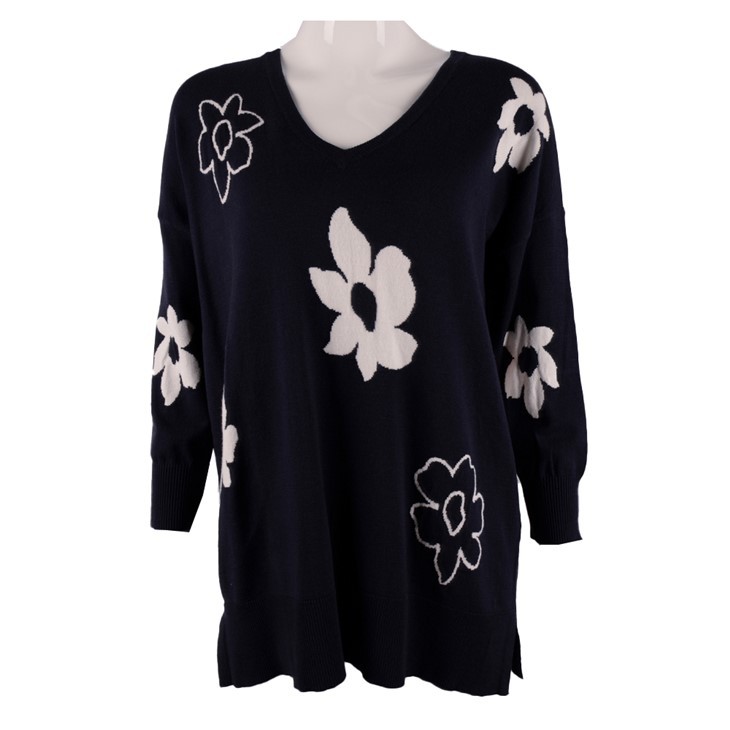

- Check the Label: Look for information about the fiber content on the label. If it's made from natural fibers like wool or cotton, it's likely to be more breathable.
- Feel the Fabric: Hold the sweater up to the light and see if you can see through it a bit. A more breathable fabric will have some transparency, indicating that air can pass through. Also, feel the fabric against your skin. If it feels light and airy, it's probably a good sign that it's breathable.
- Look at the Knit: As mentioned earlier, a loose - knit sweater is generally more breathable than a tight - knit one. Check the size of the stitches and the gaps between them.
In conclusion, breathability is a crucial factor to consider when choosing a women's knit sweater. It can make a big difference in your comfort level, whether you're wearing the sweater for a casual day out or for a more formal occasion. At our supply, we're committed to providing high - quality, breathable sweaters that meet the needs of modern women.
If you're interested in purchasing our women's knit sweaters for your store or for personal use, we'd love to hear from you. Contact us to start a procurement negotiation and let's find the perfect sweaters for you.
References
- Textile Institute. (2020). Handbook of Textile Fibres: Natural Fibres. Woodhead Publishing.
- Horrocks, A. R., & Anand, S. C. (Eds.). (2012). Handbook of technical textiles. Woodhead Publishing.